At the table
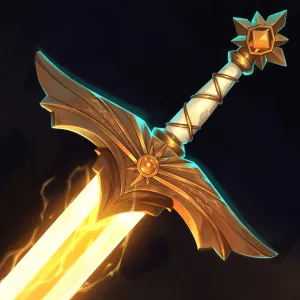
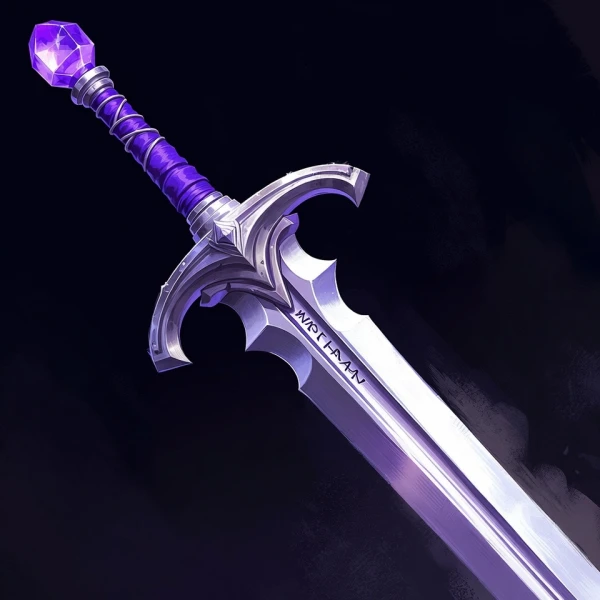
Every player knows the name, and most of them have been waiting their whole D&D life to roll a 20 with it. The +3 alone makes it one of the best swords in the game. The beheading is the part people talk about, and it lands on roughly one attack in twenty, which is often enough to happen every few sessions.
The immunity list does more work than it looks. Anything with legendary actions shrugs it off, so the dragon and the lich at the end of the arc take 6d8 extra slashing damage instead of losing their heads. That keeps the climax intact while still letting the sword end a troll, an ogre chieftain or a giant in a single swing.
When to hand it out
At high level, as a reward that marks a turning point: the fighter’s quest item, or the blade recovered from a fallen hero. It suits a martial character who swings often, because more attacks means more natural 20s.
Decide before the session how you will rule “too big for its head to be cut off”. Making that call mid-fight, after the player has rolled the 20, rarely goes well.
Pairs well with
- Extra attacks. Fighters with three or four attacks a turn see the effect far more than anyone else.
- Advantage sources. Rolling two dice roughly doubles the chance of a natural 20.
- A gruesome description. The table will remember the first head that rolls. Give it a line.