· 7 min read D&D 5e
Need or Greed in D&D: Bring WoW Loot Rolls to Your Table
Bring the thrill of WoW loot rolls to D&D. Need or Greed gives your party a quick, fun way to split magic items after the boss falls.
Bring the thrill of WoW loot rolls to D&D. Need or Greed gives your party a quick, fun way to split magic items after the boss falls.
The boss falls, the loot window opens, and the sword you wanted is sitting there. You click Need. So does another player. Now you’re watching the rolls. If you’ve played World of Warcraft with group loot, you know how much excitement can fit between an item dropping and a winner being named. Need or Greed brings that moment to D&D, where two characters eyeing the same magic boots can reach for their dice and settle it together.
The timing is good for borrowing from Azeroth. D&D: World of Warcraft releases November 17, 2026, with D&D Beyond Master Tier early access starting November 3. You can bring the familiar Need, Greed and Pass choices into any D&D campaign as a house rule, whether your party is heading into a Warcraft dungeon or opening a chest in your homebrew world.
Need or Greed is a loot distribution method familiar from World of Warcraft’s group looting: choose Need for an upgrade, Greed for something you’d like to keep or sell, or Pass to sit out. In the basic three-choice version, the game rolls a number from 1 to 100 for contenders, and the highest Need roll wins. If nobody chooses Need, the highest Greed roll wins; even a low Need roll beats a high Greed roll. WoW’s loot options vary by version and mode, but those three choices give you enough to run a tabletop version.
Rolling for treasure gives the party another reason to cheer after a fight. When two players want the same item, you can spend several minutes comparing who would benefit more, or let them roll and watch a 19 lose to a 20. The reward gets its own moment at the table, with everyone looking at the dice.
For players coming from WoW, the choices are familiar enough to use on the next chest. Players who’ve never touched an MMO can follow them too. Needing an upgrade and wanting something to sell are easy motivations to explain without teaching a bidding system.
Need or Greed also gives the split some structure without asking you to price every item for an auction or arrange a draft order. Players who can use an item get priority, and several equally interested players have a way to settle the claim. You can use it for a single contested find halfway through a dungeon.
It keeps the pace up, too. A shield with one interested owner takes seconds to hand over. A pair of boots that three people want takes one round of dice, unless they tie. You can finish distributing the treasure while the players are deciding where to rest.
One good method uses a d20 and resolves one item at a time. Put the item where everyone can see it, or read out its name and properties. Give players a moment to check whether they want it before calling for dice.
Players who pass don’t roll. Only players tied for the highest result reroll, repeating if necessary. Use the number on the die without ability modifiers or proficiency bonuses; everyone in the same group of contenders gets the same chance.
Finish each award before moving to the next item. Have the winner write it on their inventory and cross it off the loot list. That saves the next session’s question about whether the wand went to the wizard or stayed in the chest.
You can make this call as each item comes up. Two approaches work well, depending on how much your table enjoys arguing its case.
The GM calls it. You know the party’s equipment. When a +1 shield drops and the paladin is the only character who uses a shield, say so. A rogue who suddenly plans to carry one can roll Greed if the paladin declines. When two characters would use the item, let both roll Need. Keep the ruling short enough that the players can get on with rolling.
Anyone can roll. Take every Need claim without asking for a justification. The wizard rolling Need on a greatsword is part of the fun, and the dice decide who carries it home. This suits groups who enjoy the gamble and don’t mind an item going to an unexpected owner. It also avoids making players pitch every possible use to the GM.
You can switch between these approaches from one item to the next. Say who’s rolling before the dice hit the table.
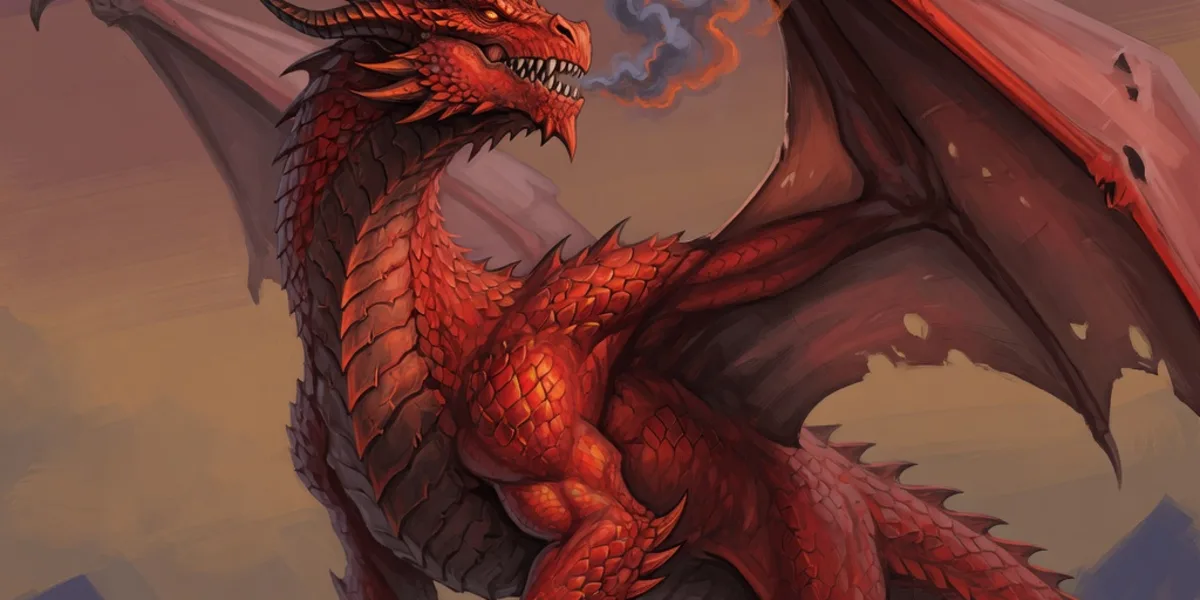
A level 6 party of a paladin, a ranger, a wizard and a rogue kills a young dragon. Their hoard holds 1,400 gp, two moonstones, three potions of healing, a +1 shield, a wand of secrets and boots of speed.
Leave coins, gems and art objects out of the roll. Divide their value evenly, and give common consumables to whoever carries the party’s supplies. In this example, each character gets 350 gp, the moonstones’ sale value will be split four ways, and the paladin carries the potions.
The paladin writes down the shield and potions; the rogue adds the wand and boots. The moonstones stay on the shared loot list until they’re sold.
For a party that prefers bidding or taking turns, six ways to split loot in D&D offers other methods. Deciding how many magic items to hand out also helps you plan how often the party will have something to roll for.
ScryRPG runs Need or Greed natively, including the votes, rolls and inventory updates. The free campaign manager supports D&D 5e, Pathfinder 2e, Draw Steel and Daggerheart. For a table that enjoys the loot roll but doesn’t want to record every result, it handles the handoff.
The GM reveals a loot pile and starts the vote from the party’s loot page or with Start Need or Greed on the /loot card in Discord. Players mark Need, Greed or Pass on each item while a countdown runs. Need beats Greed, the highest roll wins, and the item lands in the winner’s inventory. If carrying limits block the transfer, it stays reserved for that character in the loot pile. The GM can close voting early or cancel before any item is awarded. Use the Discord bot docs for the commands to start and manage a vote.
To have the votes, rolls and inventory handled for you, start your campaign free, or ask how other tables split their hoards on Discord.
Eight D&D 5e loot tables for bandits, tombs, shipwrecks, and dragon hoards, with gold, magic items, and advice on making treasure matter to your players.
Six fair ways to divide D&D treasure, from need before greed to a self-balancing loot auction, each tested on the same hoard so you can pick one tonight.

Why mystery items deserve a place in your game, and how to make the reveal land at the table.